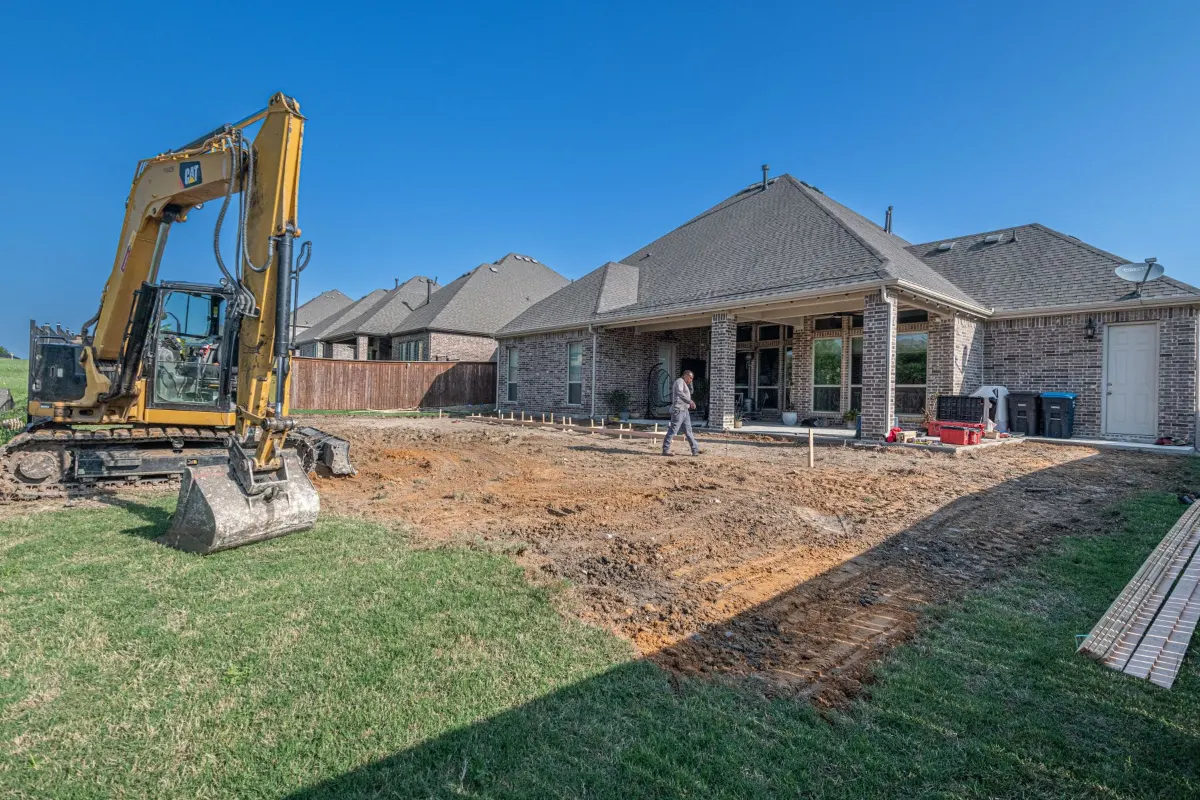
When does a septic system need to be replaced?
Replacement makes sense when the problem is the whole system rather than one part: the leach field has stopped absorbing water, the tank and field are both undersized for the house, or the system sits too close to groundwater to work. A repair fixes one component; a replacement starts over with a new design.
Common warning signs include sewage backing up into the house, wet or spongy ground over the field, strong odors outdoors, and very green grass along the drain lines. None of these proves the system must be replaced, but each is worth having inspected. Our guide to signs of septic failure goes through them one by one.
Town inspection programs often surface the problem first. North Kingstown requires an inspection at least once every three years, and in Charlestown an owner has 60 days after a failed inspection to apply to RIDEM for a repair permit. If only one part has failed, see septic repair first.
Conventional or advanced: which system will you need?
Location decides most of it. Inside the Salt Pond and Narrow River Critical Resource Areas, state rules require nitrogen-reducing technology for new construction, alterations and repairs. Outside those areas, a conventional tank and leach field is usually the starting point, provided the soils and groundwater allow it.
Nitrogen-reducing technology must cut total nitrogen by at least 50% and discharge no more than 19 mg/l. In the protected areas, some soil conditions also require the bottom of the leach field stone to sit at least 4 feet above the seasonal high groundwater table. The page on nitrogen-reducing septic systems explains the options.
Small lots with a high water table add another layer. Westerly's wastewater facilities plan notes that mounded absorption systems and raised sand beds would be needed on small Misquamicut lots with high groundwater. Your designer's soil work tells you which of these applies.
Why soil and groundwater testing comes first
Every replacement design starts with the ground. A soil evaluation shows how fast water moves through the soil and how high groundwater rises in the wet months. Those two numbers decide the size of the leach field, how deep it can go, and whether the system has to be raised above the natural grade.
Under the state septic rules, wet-season water table observations are made from January 1 through April 1. If your lot needs them, the calendar can matter more than the permit review. Exeter's 2009 comprehensive plan, for example, maps soils with a seasonal high water table between 18 and 36 inches deep.
Our guide to wet-season water table testing explains how the readings are taken, and the septic design and soil testing page covers who does the work.
How the RIDEM permit works for a replacement
RIDEM, not the town, permits septic systems in Rhode Island. The agency describes three stages: site suitability, design review and installation inspections. Repair applications typically take 1 to 2 weeks at RIDEM, and new building construction or alterations about 3 weeks, once a complete design is filed.
After RIDEM approves the plan, lots in coastal jurisdiction may also need CRMC sign-off. An installer then builds the system to the approved design, RIDEM inspects it during installation, and the Certificate of Conformance goes to the town. South Kingstown's procedure page lays out the same order. The cesspool law guide explains the separate rules if the old system is a cesspool.
What does septic system replacement cost?
RIDEM's published ranges put a conventional system at about $10,000 to $15,000 and an advanced nitrogen-reducing system at $23,000 to $32,000. The ranges on RIDEM's septic page are undated, so treat them as a starting point. Soils, groundwater, lot size and access all move the final number.
The Community Septic System Loan Program covers the repair or replacement of failing systems in participating towns. RIIB's current plan sets the homeowner cost at 1% a year on the balance plus a $300 origination fee, for up to 10 years; RIHousing says most towns cap loans at $25,000. Narragansett lends up to $20,000 for failed systems, and Exeter is not listed. Confirm current terms with your town or RIHousing.
This is general information, not legal or tax advice.
Choosing the people who design and build it
A replacement needs two separate professionals. RIDEM's rules say only a person holding a valid designer's license may prepare septic plans for the agency, and the class of license limits the size and type of job. A separately licensed installer builds what the designer drew. URI keeps the professional registries for both.
Ask each person which license class they hold, whether they have worked in your watershed, and how they will handle wet-season testing if your lot needs it. To talk through the job, call 401-535-7951 for a free estimate or use the contact page. The full list of septic services covers related work.
Septic system replacement questions
How can I keep a septic system from needing replacement?
Regular care is the main lever. EPA recommends inspecting a household system at least every three years and puts routine maintenance at every three to five years, at a typical cost of $250 to $500. That schedule helps catch problems while they are still repairs. See the EPA's septic maintenance page.
Can I replace just the leach field instead of the whole system?
Often, yes, if the tank is sound and the soils can support a new field. Your designer will check the tank and the site before deciding. Inside the salt pond and Narrow River areas, a leach field repair can trigger the nitrogen-reducing requirement. See leach field replacement.
Does my town have to approve a septic replacement?
RIDEM issues the septic permit, but the town is still involved. The Certificate of Conformance is filed with the town when the work is done, and towns such as South Kingstown, North Kingstown and Charlestown run their own inspection programs with separate records and schedules.
Is a nitrogen-reducing system required everywhere in South County?
No. The requirement applies inside the Salt Pond and Narrow River Critical Resource Areas, which cover parts of Westerly, Charlestown, South Kingstown, Narragansett and North Kingstown. Inland towns such as Richmond, Hopkinton and Exeter are outside those areas, though other soil and well rules still apply.
Can I use a loan for a septic replacement in Exeter?
Exeter is not listed among the towns taking part in the Community Septic System Loan Program, so the program's town-based loan is not currently an option there. Check with the Exeter Building Department and RIHousing in case that changes before you plan your budget.