Guides
Septic and cesspool guides for South County, Rhode Island
Answer-first guides for Washington County homeowners, buyers and sellers, built on Rhode Island statutes, RIDEM rules and town programs, with sources linked throughout.
Last checked

Start with the cesspool law
If your home has a cesspool, start with our Rhode Island cesspool law page. It explains the rule that a cesspool must be replaced or connected to sewer within 12 months of a sale (§ 23-19.15-12), along with failures, 200-foot zones, penalties and the local rules South County towns add.
Buying, selling and paying for a replacement
These guides cover the questions that come up around a sale and the bill that follows. Each one links to the statute or agency page behind every rule and number, so you can check the source yourself before you act.
- Selling a house with a cesspool in RI: disclosure, the buyer's 10-day right and pricing options
- Buying a house with a cesspool in RI: your deadline, records to check and budgeting
- Cesspool replacement cost in RI: RIDEM's ranges and a worked loan example
- The RI septic loan program: CSSLP terms and participating towns
Rules, permits and the site itself
Septic rules in South County depend on where your lot sits. Homes near the salt ponds and the Narrow River face nitrogen limits, several towns run their own inspection programs, and every new system starts with soil testing. These guides explain what applies to your lot and how a replacement moves from soil test to permit.
- Salt pond nitrogen rules: where nitrogen-reducing systems are required
- South County town septic rules: inspection programs town by town
- The RI septic permit process: designer, RIDEM review and installation
- Wet-season water table testing: why timing matters
Is something wrong with your system?
Not sure whether you have a cesspool or a septic tank? Read do I have a cesspool. If you are seeing slow drains or wet ground, the signs of septic failure guide explains what to look for. For a quote, call 401-535-7951 for a free estimate.

RI cesspool law
A plain-language walk through the Rhode Island Cesspool Act of 2007, what triggers a required upgrade, who is on the hook, and how South County towns add their own rules.
Read more
Buying with a cesspool
If the South County home you love has a cesspool, the replacement deadline becomes yours at closing. Here is how to check, budget and negotiate before you sign.
Read more
Replacement costs
Published RIDEM ranges, the factors that move a South County quote up or down, and what a typical septic loan payment looks like month to month.
Read more
Do I have a cesspool?
Many older South County homes still send wastewater to a cesspool. Here is how to find out what is under your yard, using state records, town databases and a system inspection.
Read more
Septic loan program
A low-cost loan to replace a cesspool or failing septic system, offered through participating towns. Here are the terms, the towns and the steps to apply.
Read more
The permit process
Every septic repair, replacement or new system in Rhode Island runs through a RIDEM permit. Here is the order of steps, typical review times and who handles each part in South County.
Read more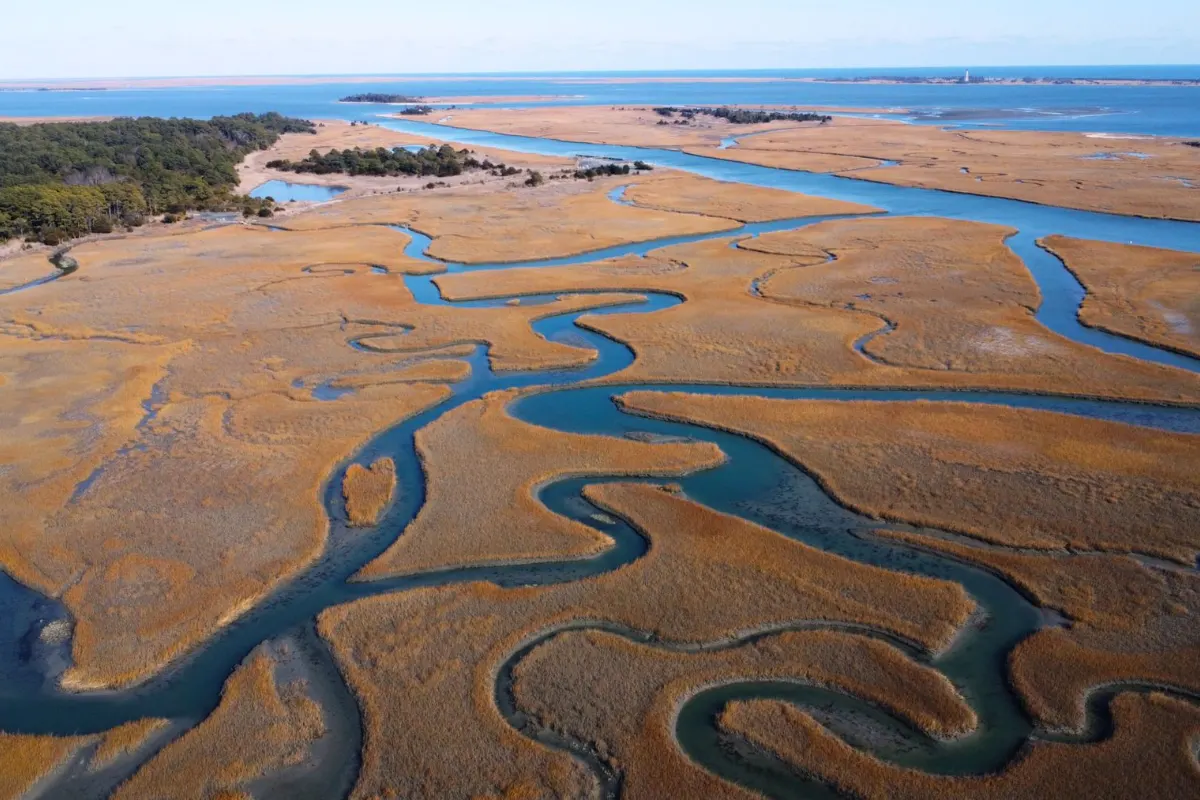
Salt pond nitrogen rules
If your home drains toward a salt pond or the Narrow River, Rhode Island requires a nitrogen-reducing septic system for new builds, alterations and most repairs. Here is how the rule works.
Read more
Selling with a cesspool
You can sell a South County home that still has a cesspool, but the law shapes your disclosure, the buyer's inspection and the price conversation.
Read more
Maintenance schedule
Regular inspections and pumping keep a septic system working and, in several South County towns, keep you in line with local law. Here is how often, and what it typically costs.
Read more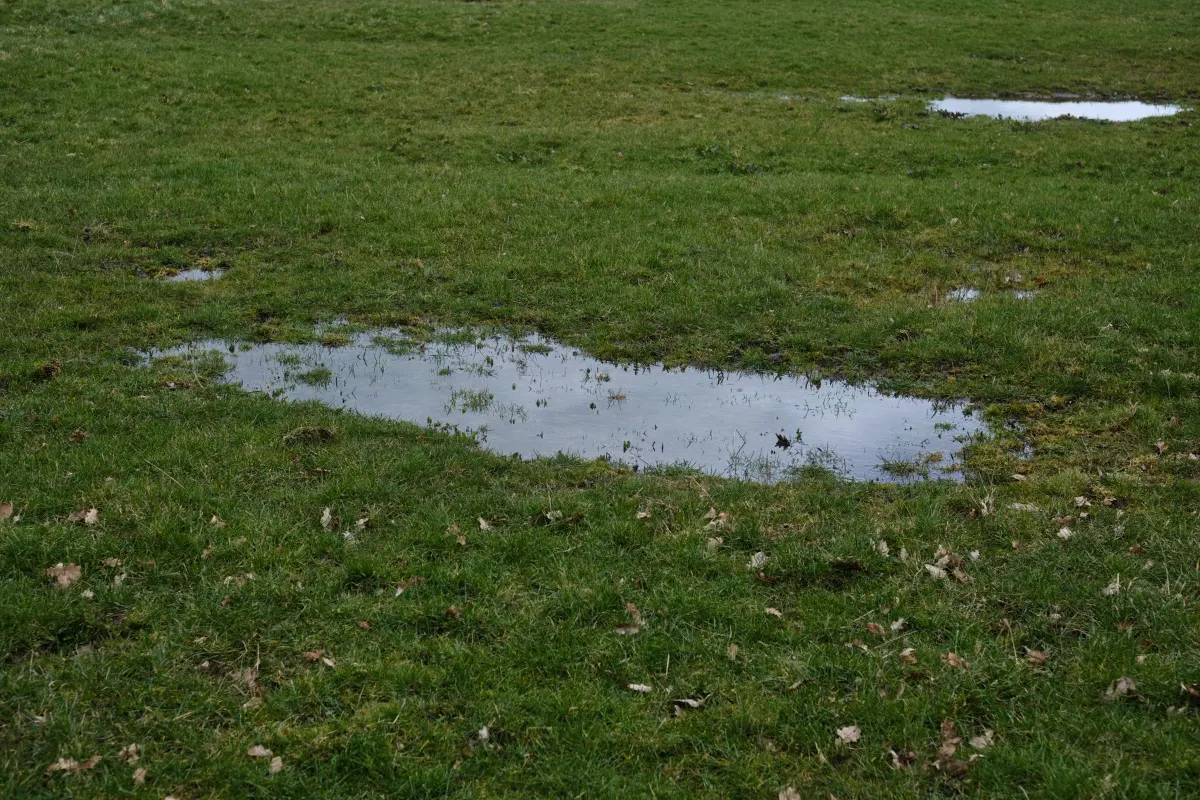
Signs of failure
Rhode Island law lists five conditions that mark a cesspool as failed. They are also the clearest warning signs for any South County septic system, and each one starts a clock.
Read more
Town-by-town rules
State law sets the baseline, but several South County towns add their own inspection schedules and cesspool deadlines. This side-by-side comparison shows what each of the nine towns requires.
Read more
Wet season testing
Before RIDEM approves a septic design, someone has to know how high groundwater rises on your lot. On some sites that means observations during a once-a-year window from January to April.
Read moreGuide questions
Where do the facts in these guides come from?
From Rhode Island statutes, RIDEM rules and program pages, RIIB, RIHousing, CRMC and town websites. Each guide links to its sources, and we note when a figure is dated, such as RIDEM's published cost ranges, so you can judge how current a number is.
Are these guides legal advice?
No. They are general information for homeowners. For a specific sale, loan or violation notice, talk to a real estate attorney, your town's septic office or RIDEM, and confirm current terms before you act on anything you read here or sign anything.
Which towns do the guides cover?
South County, meaning Washington County: South Kingstown, Narragansett, North Kingstown, Exeter, Richmond, Hopkinton, Charlestown, Westerly and New Shoreham on Block Island. Statewide rules apply everywhere, while inspection programs, loan terms and nitrogen limits differ from town to town across the county.
How often are the guides updated?
Each guide shows the date it was last updated. Rules and loan terms can change, so check the linked source or your town office before relying on a number for a decision about buying, selling or replacing a septic system.
Have a question the guides don't answer?
Talk through your options with a local septic pro. Call 401-535-7951 for a free estimate.