Services
Septic and Cesspool Services in South County, Rhode Island
From a cesspool on a one-year deadline to routine pumping, here is the septic work Washington County homeowners most often need, with a page on the rules for each.
Last checked
Which septic service do you need?
Start with what prompted the call. A sale or a failed cesspool points to replacement. Backups or wet ground point to repair or a leach field. A town inspection notice or a closing date points to an inspection. Each page below explains how that work is permitted in Rhode Island.
- Cesspool replacement: sale deadlines and failed cesspools.
- Septic system replacement: a full new system.
- Nitrogen-reducing septic systems: advanced treatment near the salt ponds.
- Septic repair: fixing one failed component.
- Leach field replacement: rebuilding the drainfield.
- Septic inspections: for sales and town programs.
- Septic pumping: routine tank maintenance.
- Septic design and soil testing: plans and groundwater readings.
- Septic tank replacement: a tank alone.
- Sewer connection: tying in where sewer is available.
How do these services fit together?
Most bigger jobs run in the same order: inspection, soil testing and design, a RIDEM permit, installation, then routine pumping. Near the shore, the salt pond rules decide whether the new system must reduce nitrogen. The cesspool law guide covers the sale deadline.
Call 401-535-7951 for a free estimate from a local septic pro, or use the contact page.
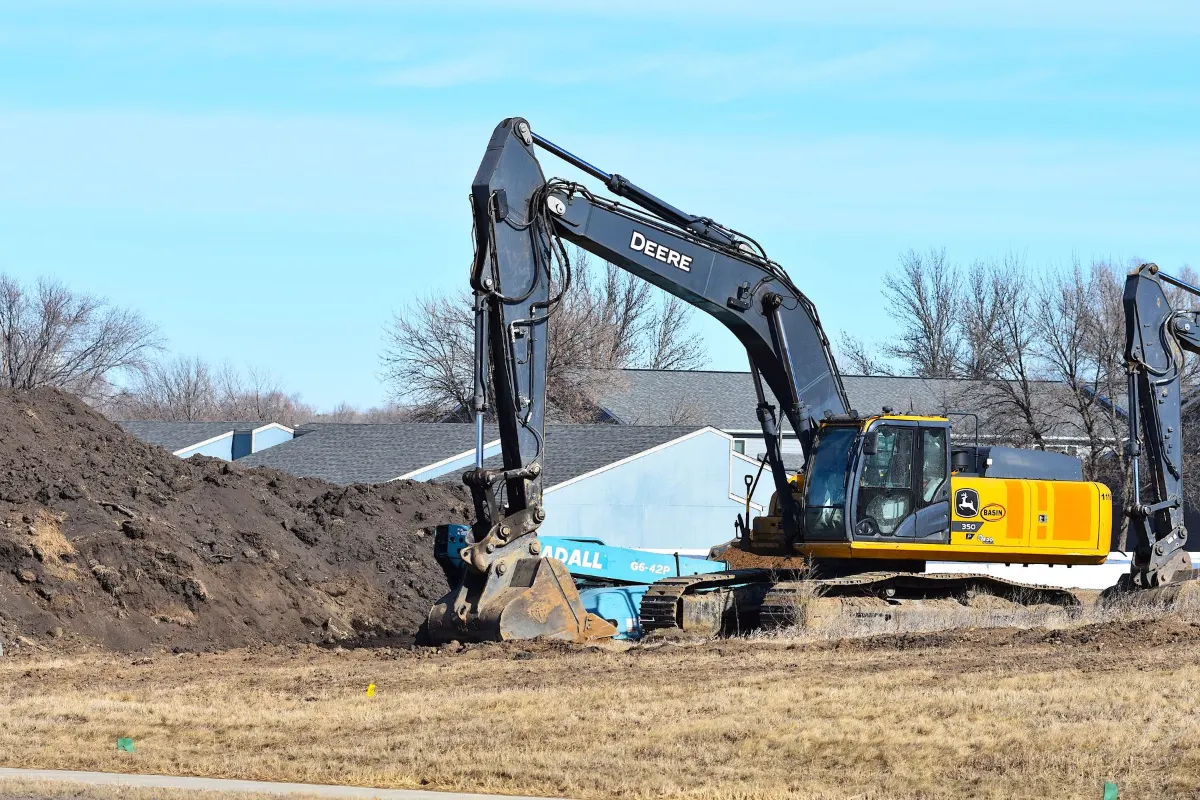
Cesspool replacement
When a sale, a failure or a coastal location puts a cesspool on the clock, here is how replacement works in Washington County, from soil testing to the final paperwork.
Read more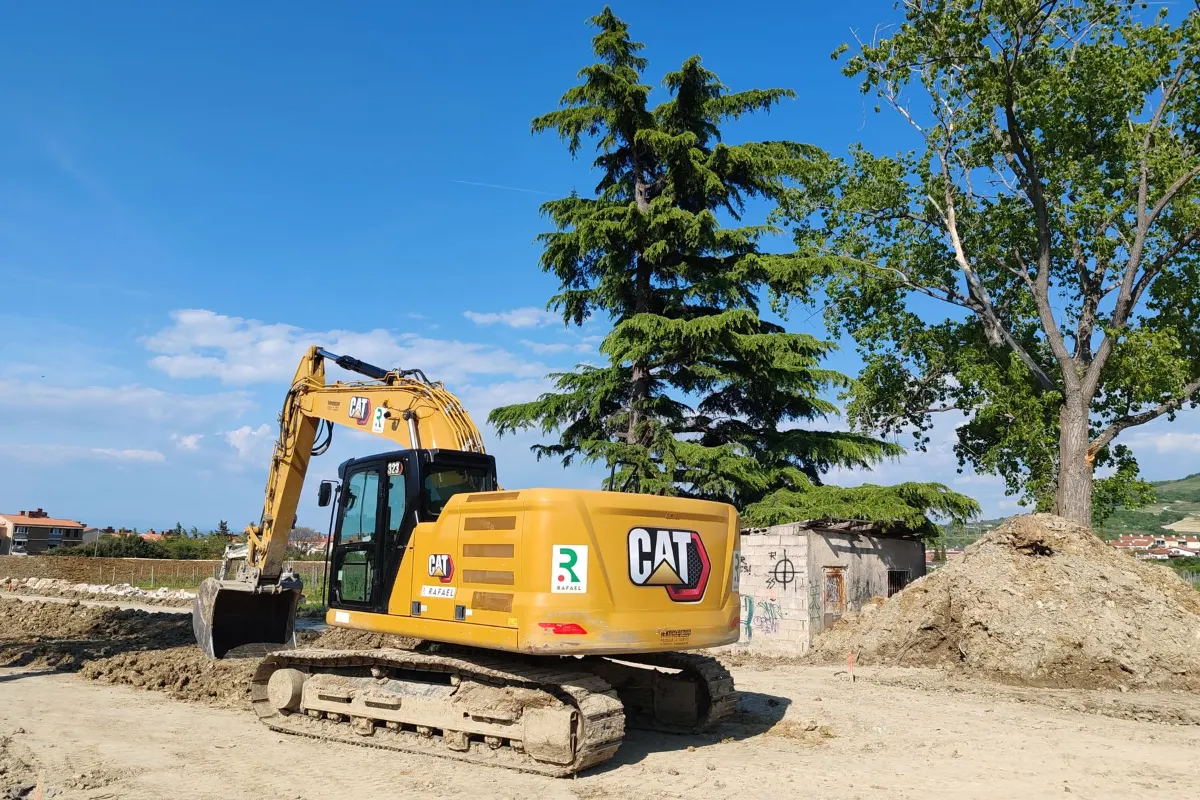
Leach field replacement
When the soil under a septic system stops taking water, the leach field has to be rebuilt. Here is how that works with South County's groundwater, soils and state rules.
Read more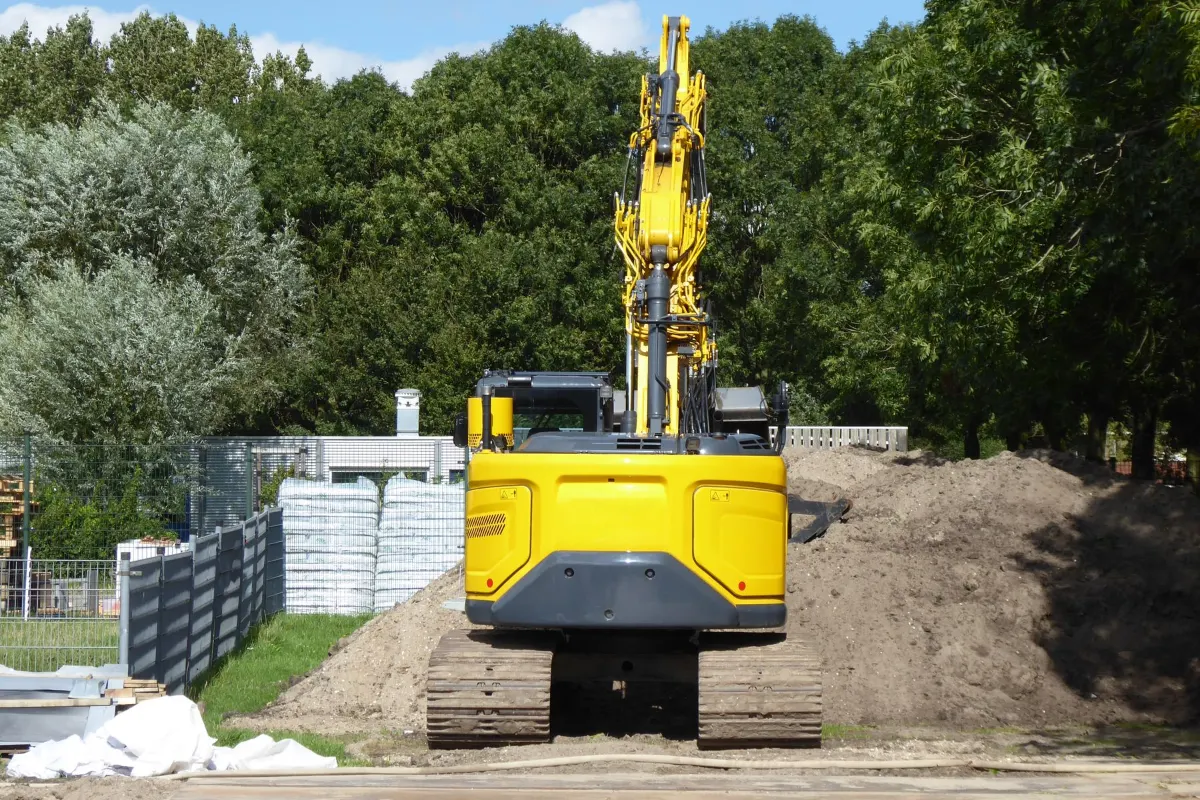
Nitrogen-reducing systems
Near the salt ponds and the Narrow River, a new or repaired septic system usually has to remove nitrogen. Here is where the rule applies, what it requires and what it costs.
Read more
Design and soil testing
Every new or replacement septic system in Rhode Island starts with a soil evaluation and a design prepared by a state-licensed designer, then goes to RIDEM for review.
Read more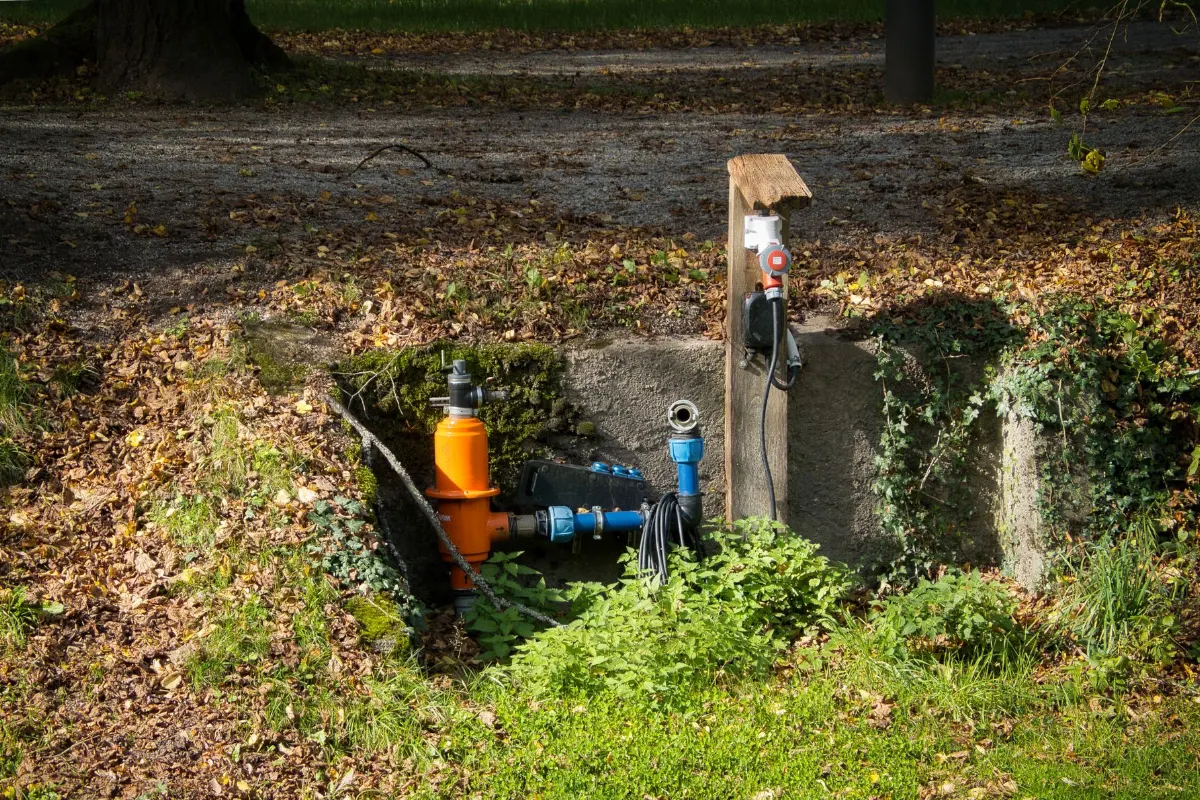
Septic inspections
Some South County towns require a septic inspection on a fixed schedule, and state law requires a cesspool check before some sales. Here is what applies to your property.
Read more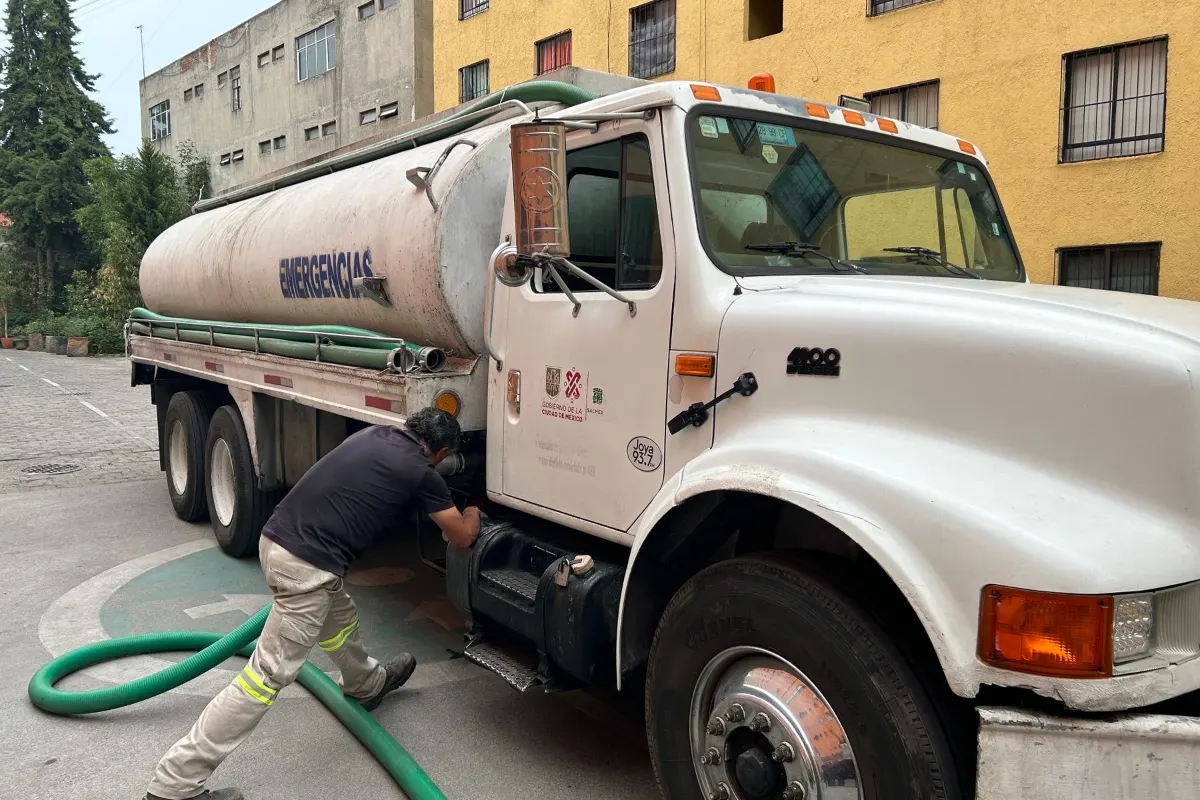
Septic pumping
Regular pumping keeps solids out of your drainfield. In South County, some towns set the schedule for you, and where the septage goes can affect summer timing.
Read more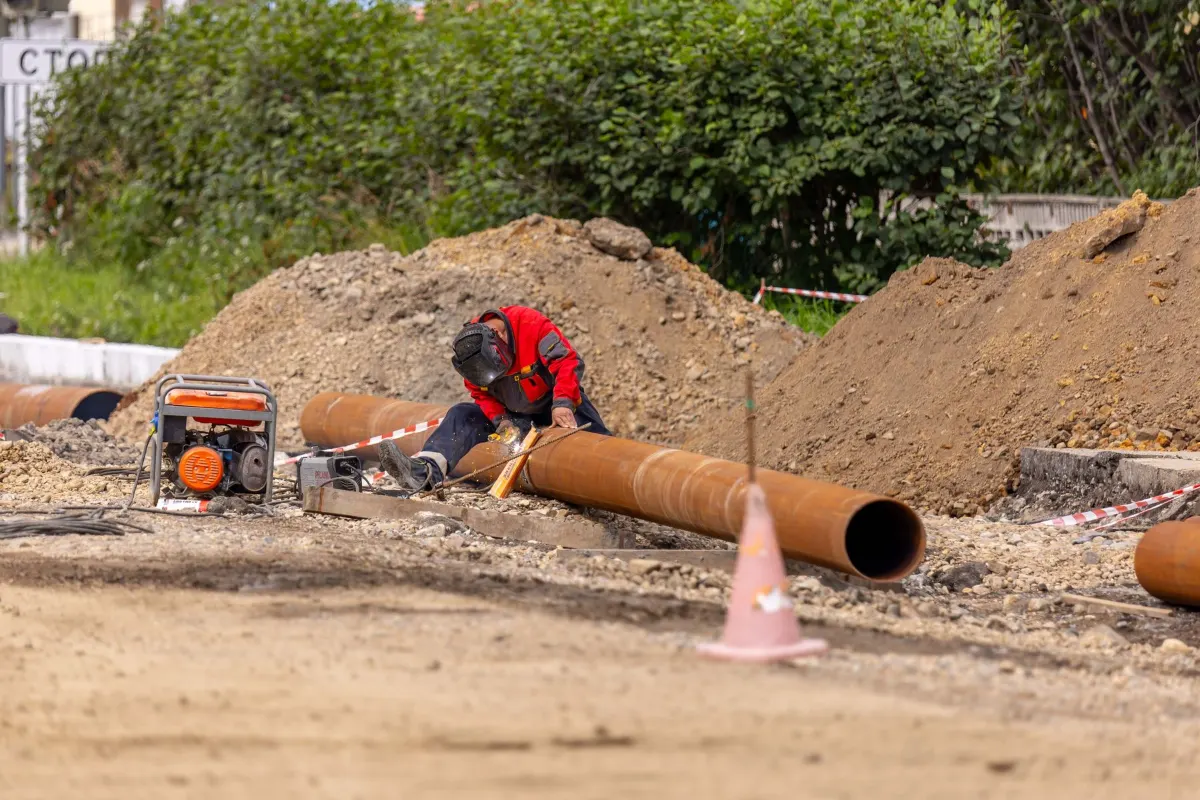
Septic repair
Not every septic problem means a new system. Here is how repairs are handled in Rhode Island, what town inspections look for, and when the salt pond rules change the plan.
Read more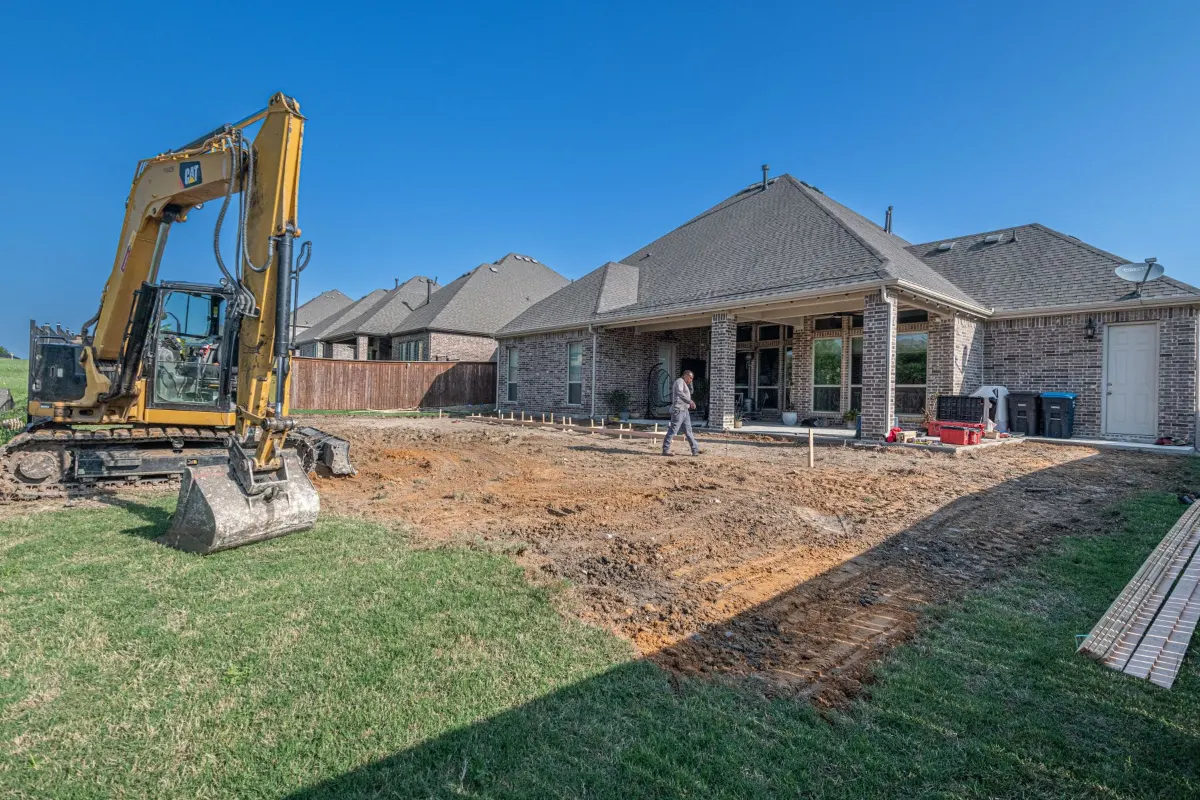
Septic system replacement
When a septic system is past repair, the replacement has to fit your soils, your groundwater and, near the shore, the state's nitrogen rules. Here is how the process works.
Read more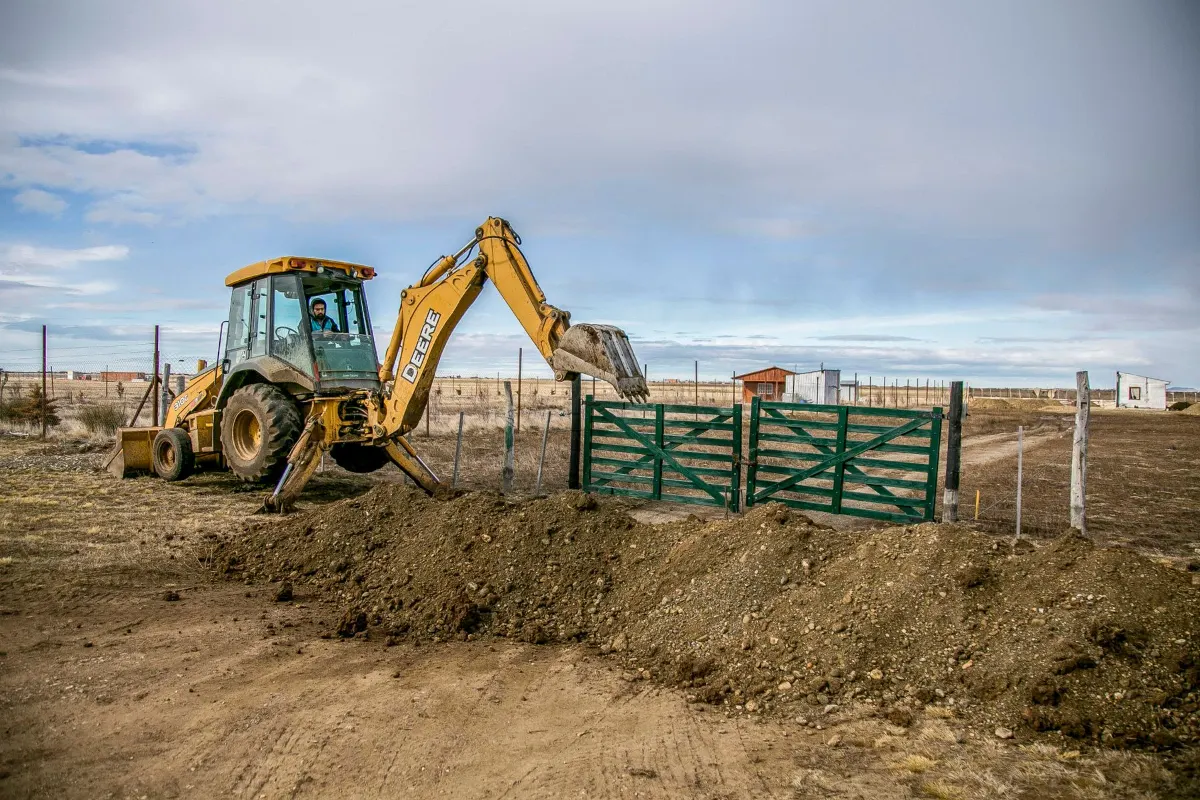
Septic tank replacement
When the tank fails but the drainfield still works, replacing only the tank can be the simplest repair. Here is how Rhode Island's permit and nitrogen rules treat it.
Read more
Sewer connection
If public sewer runs past your lot, tying in can replace a cesspool or failing septic system. Here is where South County has sewers and how the state rules work.
Read moreSeptic service questions
Which service do I need if I am selling a house with a cesspool?
Usually an inspection first, then cesspool replacement. State law gives the new owner 12 months after closing to replace it, and who pays is negotiated between buyer and seller. Starting early gives you room to plan design and permits before the deadline.
Do all of these services need a RIDEM permit?
Replacements and repairs go through RIDEM's permit process, which covers site suitability, design and installation inspections. Pumping and inspections work differently: towns such as North Kingstown and Charlestown set their own inspection schedules and expect proof that the work was done.
Is there help paying for septic work in South County?
Eight of the nine towns take part in the Community Septic System Loan Program. RIIB's current plan sets the cost at 1% a year plus a $300 fee, for up to 10 years, and most towns cap loans at $25,000. Exeter is not listed. Confirm current terms with your town or RIHousing.
Which towns do these services cover?
All nine Washington County towns: South Kingstown, Narragansett, North Kingstown, Exeter, Richmond, Hopkinton, Charlestown, Westerly and New Shoreham on Block Island. Inspection programs, loan terms and salt pond rules differ by town, so each has its own page on the service areas list.
Not sure which service fits?
Call 401-535-7951 to talk through your options and get a free estimate.