What do the salt pond nitrogen rules require?
Inside the Salt Pond and Narrow River critical resource areas, Rhode Island requires nitrogen reducing technology for every septic application for new construction, alterations to a structure and repairs. A plain tank and leach field is no longer enough there, and a cesspool has to be replaced with an advanced nitrogen-reducing system.
RIDEM says it plainly on its septic program page: cesspools in these planning areas must be replaced with an advanced septic system that reduces nitrogen. CRMC applies the same rule to any new installation, repair, modification or replacement in both areas, according to its septic permitting page. If your property is affected, our page on nitrogen-reducing septic systems explains the equipment side.
Which South County towns and ponds are covered?
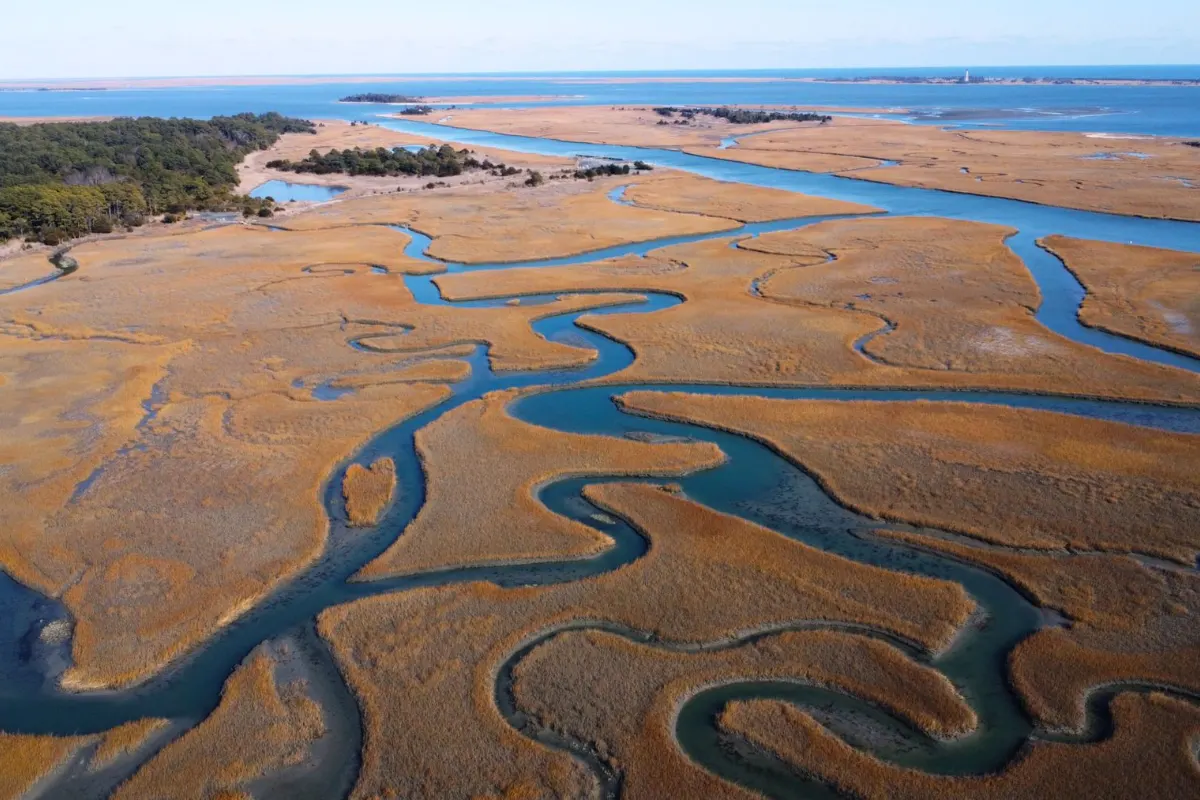
The Salt Pond area covers the watersheds, or parts of them, draining to the salt ponds of Westerly, Charlestown, South Kingstown and Narragansett. The Narrow River area covers the Narrow River watershed in Narragansett, North Kingstown and South Kingstown. Exeter, Richmond, Hopkinton and Block Island are outside both areas.
The ponds named in the Salt Pond Region plan include Ninigret, Green Hill, Trustom, Cards, Quonochontaug, Winnapaug, Maschaug, Point Judith and Potter. The Narrow River plan is a separate CRMC rule. Watershed lines do not follow street names, so check your exact lot with RIDEM's critical resource area boundary tool before you assume either way.
- Town details: Charlestown, South Kingstown, Westerly and Narragansett.
| Area | Towns | Examples of waters |
|---|---|---|
| Salt Pond Region | Westerly, Charlestown, South Kingstown, Narragansett | Ninigret, Green Hill, Point Judith, Potter, Winnapaug |
| Narrow River | Narragansett, North Kingstown, South Kingstown | Narrow (Pettaquamscutt) River |
| Neither area | Exeter, Richmond, Hopkinton, New Shoreham | Standard state rules apply |
What counts as nitrogen-reducing technology?
Under the state septic rules, a nitrogen-reducing system must lower total nitrogen by at least 50 percent and send out effluent with 19 milligrams per liter of nitrogen or less. That usually means a treatment unit between the tank and the drain field, sized and approved as part of the septic design and soil testing work.
The definition sits in § 6.8 of the RIDEM onsite wastewater rules. The same rules also set a physical limit: under certain soil conditions in these areas, the bottom of the leach field stone must sit at least 4 feet above the seasonal high groundwater table. Our guide to wet season water table testing explains how that level is measured.
When does the rule apply to an existing home?
The rule applies when you file a septic application: a repair, a replacement, an addition or a new house. Under § 6.18 of the state rules, a system in these areas without nitrogen reducing technology is considered unsuitable when a renovation triggers review. A sale also matters if the house still has a cesspool.
Under the Cesspool Act, a cesspool must be removed from service within 12 months of a sale or transfer. In a salt pond or Narrow River watershed that cesspool replacement has to be a nitrogen-reducing system, not a conventional one. There are limited exceptions for repairs that only replace the septic tank, per § 6.43.
This is general information, not legal or tax advice.
Why do the ponds need nitrogen limits?
Most nitrogen reaching South County's salt ponds travels through groundwater, and septic systems are a large share of it. A 2007 University of Rhode Island study for CRMC estimated septic systems supplied about 85 percent of groundwater nitrogen at Point Judith Pond and about 80 percent at Potter Pond.
The same nitrogen white paper put septic systems at almost 75 percent of nitrogen input to Green Hill Pond and 60 percent to Ninigret. The Salt Pond plan ties dense development to polluted wells and algae-choked water, which is why small lots in these watersheds get the strictest treatment.
What does a nitrogen-reducing system cost, and can I borrow for it?
RIDEM's published range for an advanced nitrogen-reducing system is $23,000 to $32,000, compared with about $10,000 to $15,000 for a conventional replacement. Those figures are undated, so treat them as a starting point. Your actual quote depends on lot size, soil, groundwater depth and the treatment unit chosen.
Every Salt Pond and Narrow River town takes part in the Community Septic System Loan Program. The RIIB plan for state fiscal year 2026 sets homeowner cost at 1 percent a year on the balance plus a $300 origination fee, for up to 10 years (RIIB plan). Most towns cap loans at $25,000 (RIHousing), and Narragansett caps them at $20,000 for failed systems. Confirm current terms with your town or RIHousing. See our septic loan guide, or request a free estimate for your lot.
This is general information, not legal or tax advice.
Salt pond nitrogen rule questions
How do I find out if my house is in a salt pond critical resource area?
Look up your lot on RIDEM's critical resource area boundary tool. The areas follow watershed lines, not town or road boundaries, so two neighbors can land on different sides. A septic designer will confirm the status as part of any permit application, since it changes what the state will approve.
Do I have to upgrade my working septic system right now?
Not simply because you are in the area. The nitrogen requirement applies when you file an application for new construction, an alteration or a repair. A working septic system can stay in use. A cesspool is different: it must be replaced within a year of a sale, and failed cesspools must be dealt with under the Cesspool Act.
Does Block Island's Great Salt Pond fall under these rules?
No. RIDEM's list of salt ponds in the Salt Pond critical resource area covers mainland ponds in Westerly, Charlestown, South Kingstown and Narragansett. New Shoreham runs its own wastewater management program with inspections at least every three years, so check with the town's wastewater office for island rules.
Is a nitrogen-reducing system harder to maintain?
It has more parts than a conventional system, so it needs more frequent attention. South Kingstown, for example, notes that innovative and alternative systems need more frequent maintenance than its standard 2 to 5 year inspection cycle. Ask your designer about the service contract and operating costs before you choose a unit.
Can a loan cover the full cost of an advanced system?
Sometimes not. Most towns cap Community Septic System Loan Program loans at $25,000, and Narragansett caps them at $20,000, while RIDEM's published range for advanced systems runs to $32,000. Get a site-specific quote first, then ask your town how much it can lend.